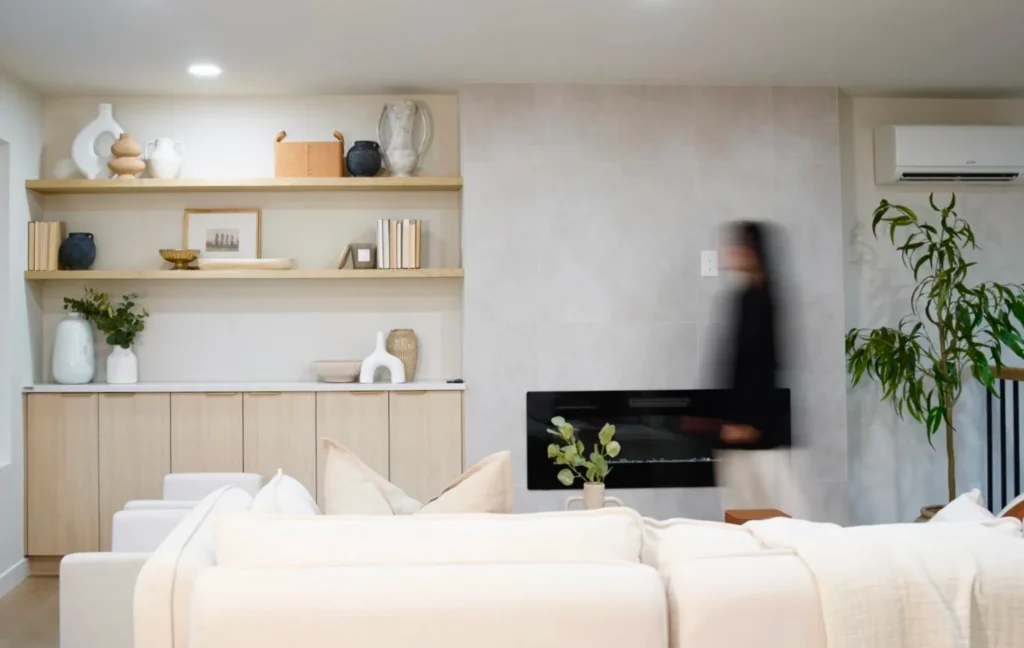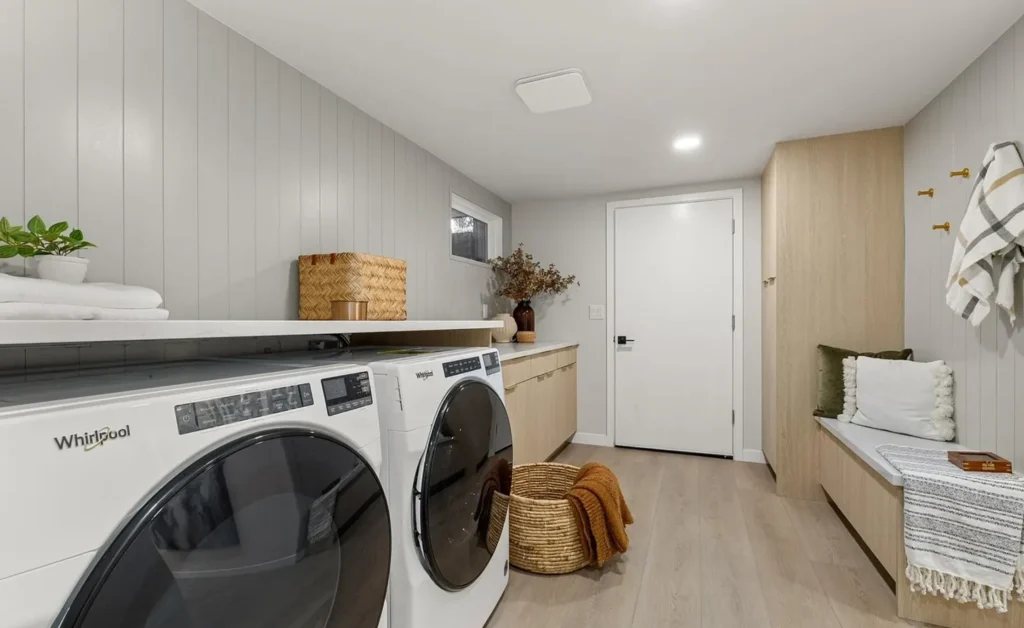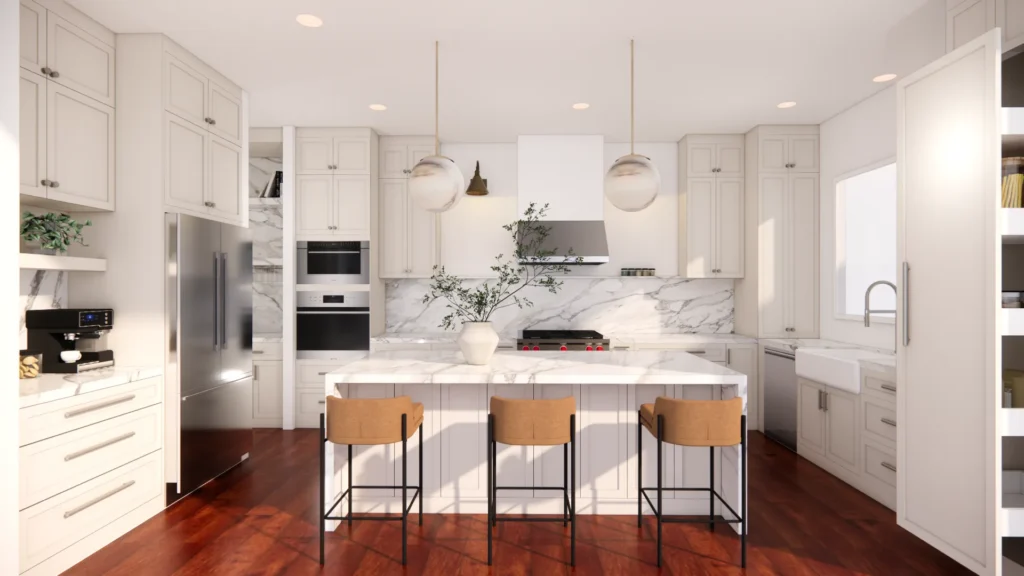
Top 10 Garage Conversion Services That Add Functional Living Space in Seattle
Garage conversions are increasingly becoming a practical way to expand living space without the cost and complexity of building a new structure. In a city like Seattle, where real estate prices are high and...

Garage conversions are increasingly becoming a practical way to expand living space without the cost and complexity of building a new structure. In a city like Seattle, where real estate prices are high and space is limited, converting an underutilized garage into a functional living area offers both economic and lifestyle advantages.
Homeowners are now looking for smarter ways to adapt their homes to evolving needs, whether it is for remote work, family expansion, or passive income. A thoughtfully executed garage conversion Seattle project can transform unused square footage into a highly functional and comfortable living environment.
This guide explores the top garage conversion services available, what to expect from the process, and how to choose the right garage conversion contractor for your needs. It also highlights key considerations such as zoning laws, costs, and design strategies to help you make informed decisions.
Why Garage Conversions Are Popular in Seattle
Seattle homeowners are turning to garage conversion services to maximize existing square footage. Whether it is creating a home office, rental unit, or guest suite, garage conversions offer flexibility.
With rising housing costs and limited land availability, expanding outward is often not feasible. Instead, homeowners are choosing to optimize what they already have. A garage conversion Seattle project allows for this transformation without significantly altering the home’s footprint.
Key Reasons for Popularity in Seattle
- Increased Property Value & Income: Converted, permitted garages can boost a home’s value by 10% to 15% and offer rental income potential (ADUs).
- Cost-Effective Expansion: Using the existing concrete slab and walls is significantly cheaper than new construction.
- Need for Flexible Space: Seattle residents often convert garages into home offices, gyms, or guest suites, according to projects by companies like Pacent Construction.
- Density & Space Constraints: With limited space in urban areas, transforming unused garages allows for better space utilization.
- Flexible Housing Options: These spaces are ideal for Accessory Dwelling Units (ADUs), allowing for multi-generational living or rental revenue.
Understanding Garage Conversion Services
Garage conversion services typically include design, permitting, construction, and finishing. Working with an experienced garage conversion contractor ensures compliance with local building codes and smooth project execution.
These services are designed to simplify the process for homeowners by managing every stage of the project. From initial consultation to final inspection, professional contractors ensure that each detail is handled efficiently. This reduces the risk of delays and costly mistakes.
Core Services Included in Garage Conversion
- Design Planning: Focuses on creating the layout, improving functionality, and enhancing the overall aesthetics of the space.
- Permitting: Ensures the project complies with local regulations, including Seattle building codes and requirements.
- Structural Work: Involves essential construction tasks such as insulation, flooring installation, and building or modifying walls.
- Electrical and Plumbing: Covers the installation of necessary utilities, including wiring, outlets, lighting systems, and plumbing connections.
- Interior Finishing: Includes final touches like flooring, lighting fixtures, and other interior elements that make the space complete and livable.
For homeowners exploring options, reviewing services offered by Pacent Construction on their garage remodeling Seattle page can provide deeper clarity into the scope and planning involved.
Top 10 Garage Conversion Services in Seattle
1. Full Garage-to-ADU Conversion
Accessory Dwelling Units are one of the most popular garage conversion Seattle options. These conversions create independent living spaces with kitchens, bathrooms, and separate entrances.
They are especially beneficial for generating rental income or accommodating extended family members. With proper planning and execution, ADUs can significantly enhance both functionality and property value.
Pacent Construction has experience delivering ADU projects that align with Seattle zoning requirements while maintaining quality and usability.
2. Home Office Conversion
With remote work becoming more common, converting a garage into a home office provides a quiet and dedicated workspace.
This type of conversion focuses on productivity, comfort, and minimal distractions. Proper insulation, lighting, and ergonomic design are essential elements that contribute to an efficient work environment.
Key features include:
- Soundproofing
- Natural lighting
- Built-in storage
3. Guest Suite Conversion
A guest suite offers privacy for visitors while increasing property value. These conversions often include a bedroom and bathroom setup.
Homeowners can create a welcoming and comfortable space that functions independently from the main house. This is particularly useful for hosting family and friends for extended stays.
4. Rental Unit Conversion
Seattle’s housing demand makes rental conversions a viable income source. A well-designed garage conversion contractor can help optimize layout for tenant use.
This option requires careful attention to local regulations, safety standards, and privacy considerations. A properly executed rental unit can provide consistent passive income over time.
5. Fitness Studio Conversion
Home gyms are increasingly popular. Garage spaces can be transformed into fitness studios with proper ventilation and flooring.
Adding mirrors, specialized equipment zones, and sound systems enhances usability. This conversion allows homeowners to maintain fitness routines without leaving home.
6. Creative Studio or Workshop
Artists and hobbyists benefit from dedicated creative spaces. Garage conversion services can tailor layouts to suit specific needs.
Whether it is painting, woodworking, or crafting, having a separate area improves focus and organization. Proper lighting and storage are key considerations.
7. Entertainment Room Conversion
A garage can become a media room, gaming area, or lounge. Proper insulation and acoustics are essential.
This type of conversion creates a recreational space for family and guests, enhancing overall home experience. Comfortable seating and smart technology integration are common features.
8. Multi-Purpose Living Space
Flexible designs allow the space to serve multiple functions such as work, relaxation, and storage.
This is ideal for homeowners who want adaptability. Furniture and layout choices play a major role in maximizing functionality.
9. In-Law Suite Conversion
This option supports multigenerational living, offering independence while keeping family close.
It includes essential amenities such as a bedroom, bathroom, and sometimes a kitchenette. This setup ensures comfort and privacy for occupants.
10. Kids’ Playroom or Study Area
Families often convert garages into safe and functional spaces for children.
These areas can be designed for both play and learning, incorporating storage, seating, and educational tools. Safety and durability are key priorities.
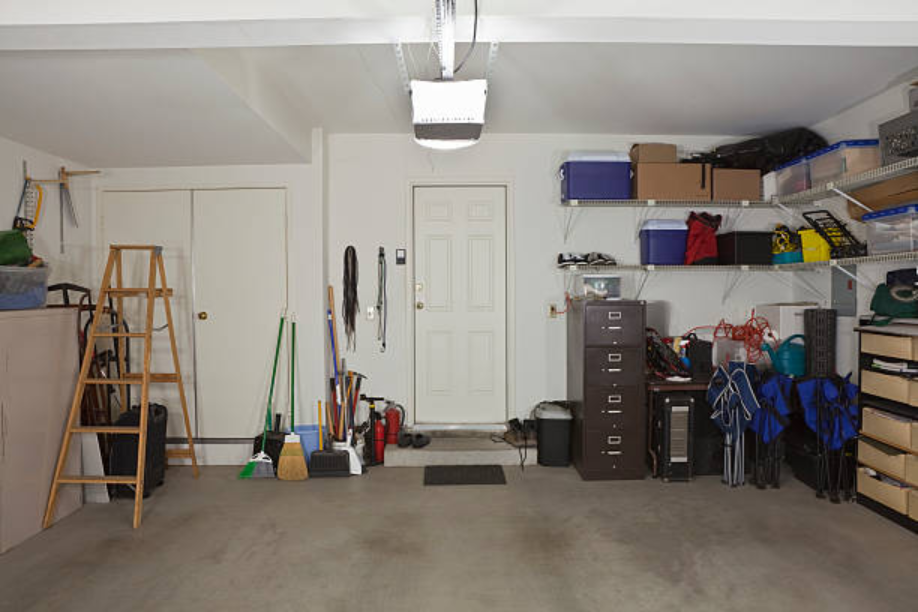
Key Considerations Before Starting a Garage Conversion
Seattle has specific zoning laws and permitting requirements. A knowledgeable garage conversion contractor will guide homeowners through compliance.
Understanding these regulations is essential to avoid fines or project delays. Each neighborhood may have unique requirements that influence design and usage.
1. Structural Integrity & Foundations
- Walls & Roof: Ensure existing walls are stable and weatherproof. Single-leaf walls often require damp-proofing treatment.
- Foundations: Check if existing foundations can support new, heavier brick walls instead of the garage door.
- Floor Slab: Garage floors are often lower and uninsulated. You will likely need to raise the floor level to add a damp-proof membrane (DPM) and insulation.
2. Regulations & Planning
- Building Regulations: Mandatory in all cases to ensure the space is safe, weatherproof, and energy-efficient.
- Planning Permission: Generally, garage conversions are permitted development, but this varies. Consult your local planning authority.
- Party Wall Agreements: If the garage shares a wall with a neighbor, you may need a Party Wall Agreement.
3. Environmental Upgrades (Habitable Standards)
- Insulation: You must insulate the walls, floor, and roof to meet modern building regulations, turning it from a cold, unheated space into a warm, usable room.
- Ventilation & Lighting: The room must have adequate ventilation, including openable windows.
- Electricity: The electrical work must meet BS 7671 safety standards.
4. Design & Functionality
- Replacing the Door: Most conversions replace the garage door with a new wall and windows, but it’s important to ensure this design allows for enough natural light.
- Plumbing: If adding a bathroom or kitchen, plan for plumbing connections to your main water/sewage lines.
- Ceiling Height: Ensure the converted room will have sufficient headroom after insulation and flooring are added.
5. Budget & Resale Value
- Budgeting: Budget for unexpected costs, such as structural issues, upgrading the electrical panel, or connecting to main heating systems.
- Resale Appeal: While a conversion can increase living space, consider if losing garage parking will hurt future home value
Choosing the Right Garage Conversion Contractor
Selecting the right contractor is critical for project success.
An experienced garage conversion contractor brings technical expertise, project management skills, and knowledge of local regulations. This ensures a seamless and efficient process from start to finish.
What to Look For
- Experience in garage conversion services
- Knowledge of Seattle building codes
- Transparent pricing
- Portfolio of completed projects
Pacent Construction is known for delivering well-structured garage remodeling Seattle solutions that align with client needs.
The Garage Conversion Process
Step 1: Initial Consultation
Homeowners discuss goals, requirements, and expectations for the project. You can begin by visiting Pacent Construction to explore your options. This stage also includes evaluating the existing garage structure, understanding budget considerations, and identifying potential design possibilities based on your lifestyle needs.
Open communication during this phase helps set clear project objectives and ensures alignment between the homeowner and the garage conversion contractor from the very beginning.
Step 2: Design and Planning
Detailed layouts and design concepts are developed to match functional and aesthetic goals. This phase includes space optimization, material selection, and integrating features such as lighting, insulation, and storage solutions.
Designers work closely with homeowners to refine plans, ensuring the converted space meets both practical requirements and long-term usability. Proper planning at this stage reduces the likelihood of changes during construction and helps maintain efficiency throughout the project timeline.
Step 3: Permitting
The contractor manages approvals and ensures compliance with Seattle regulations. This includes preparing and submitting required documentation, coordinating with local authorities, and addressing zoning or code-related concerns.
Permitting is a critical step that ensures the project meets legal and safety standards. Working with an experienced garage conversion contractor simplifies this process and minimizes delays, allowing construction to begin smoothly once approvals are secured.
Step 4: Construction
Structural and interior work is carried out with attention to quality and timelines. This phase involves framing, insulation, electrical and plumbing installations, flooring, and interior finishing. Contractors coordinate different aspects of the build to ensure consistency and efficiency.
Regular updates and site inspections help maintain progress and quality standards. Proper execution during construction is essential to achieving a durable and functional garage conversion Seattle project.
Step 5: Final Inspection
The completed project is reviewed to ensure safety and compliance standards are met. Inspectors verify that all work aligns with approved plans and local building codes. Any final adjustments or corrections are addressed before project completion.
This step provides homeowners with confidence that the new space is safe, functional, and ready for use. A successful inspection marks the final stage of a well-executed garage conversion process.
Design Tips for Functional Garage Conversions
- Maximize Natural Light: Install windows or skylights to improve brightness and ambiance.
- Improve Insulation: Seattle’s climate requires proper insulation for comfort and energy efficiency.
- Optimize Layout: Efficient layouts enhance usability and ensure the space meets intended purposes.
For more insights, visit the Pacent Construction blog to explore topics related to garage conversion services and home remodeling.
You can also review their homepage and service pages to better understand garage remodeling Seattle solutions and available options.
Why Homeowners Choose Pacent Construction
Pacent Construction is often selected for garage conversion Seattle projects due to their structured approach and industry experience.
They focus on delivering functional designs that meet client needs while adhering to local regulations. Their approach ensures consistency and reliability.
Homeowners value their ability to manage projects efficiently while maintaining quality standards.
Call to Action
If you are planning to convert your garage into a functional living space, consider reaching out to Pacent Construction.
Scheduling a consultation is the first step toward understanding your options and creating a plan tailored to your needs.
Conclusion
Garage conversions are a practical way to expand living space in Seattle. From home offices to rental units, the possibilities are versatile and valuable.
With proper planning and the right garage conversion contractor, homeowners can transform underutilized spaces into functional areas that enhance daily living.
Pacent Construction provides structured solutions that align with these goals, helping homeowners achieve efficient and compliant conversions.
Frequently Asked Questions
Let’s turn your ideas into a clear design and build plan.
Tell us what you want to change. Pacent will help you understand the right scope, next steps, and a practical path forward for your Seattle-area home.
- One coordinated design-build team
- Clear scope, selections, and project direction
- No-pressure initial consultation
Tell us about your project.